The Art of presenting, in all its forms.
Formal: formal presentations have their place, at least in most cases, in business. These can take the form of depositions at the council, conferences and investor presentations.
** Reasons for Formal presentations:
- Clear and professional way of communicating information
- Settings and venues for formal presentations can reach a large number of people (e.g a lecture theatre)
- Can include a lot of helpful data, such as finances and figures
Informal: examples of where these types of presentation take place would be within a business for creative purposes, a Q&A with a celebrity/ writer, or at an event such as a food festival.
** Reasons for Informal presentations:
- Relaxed, which sometimes can be more engaging
- Less pressure, so the audience may be more receptive and the presenter may feel more at ease when communicating
- Can include more humour, which may make the presentation more entertaining

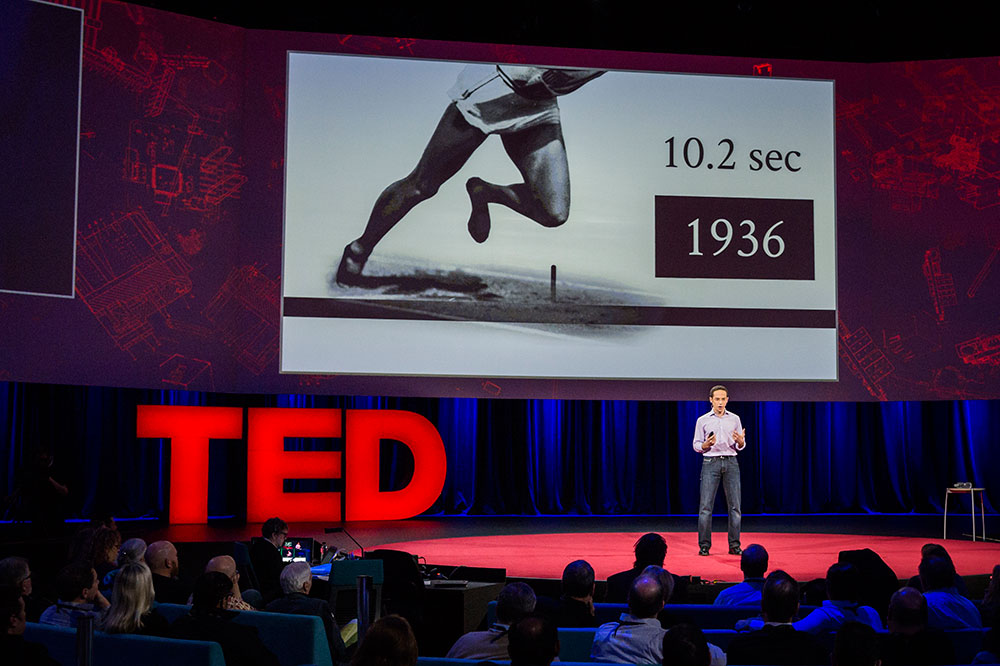
Styles of presentation: presenting can be done in different ways, to suit different needs. Timed presentations are quick and effective, so could be useful to make an impact perhaps in the world of business. Visual presentations may be more engaging, so would be effective when trying to spark people’s curiosity – perhaps at an event where you’re looking to find new customers. Inspirational presentations may be performed in order to encourage people to make lifestyle changes, with diet, exercise, routine, habits. An inspirational presentation may be an event in itself, where people in attendance might have paid for a ticket and be looking to make a change to their life.
Skills: to give a presentation requires certain skills. You don’t necessarily need all or any of these skills, but in some cases they can be of use. Persuasion can be helpful in making people change their mind, or warm to whatever it is you are talking about. Being engaging is generally a useful skill when presenting, because if your audience isn’t focused there isn’t really much point in giving the presentation. Showing emotion, or being emotive is an effective way of grabbing and keeping people’s attention. It shows them you’re genuinely passionate about the topic of discussion, which can never be a bad thing.
 Great Scientists